
.jpg)
.jpg)


Sri Lanka Historical 15 Places: Timeless Treasures of an Ancient Civilization
Why Sri Lanka’s Historical Places Matter

Sri Lanka is not just a tropical paradise; it is a living museum of over 2,500 years of civilization. Ancient kingdoms, sacred temples, colonial fortresses, and monumental stupas still stand proudly across the island. These historical places tell stories of powerful kings, spiritual devotion, architectural genius, and cultural resilience.
If you want to understand South Asian history beyond textbooks, you must explore Sri Lanka’s historical landmarks. This island shaped Buddhist civilization, maritime trade routes, and colonial power struggles. In this comprehensive guide, you will discover 15 of the most important historical places in Sri Lanka, each reflecting a unique chapter of the island’s remarkable past.
🏛 1. Anuradhapura
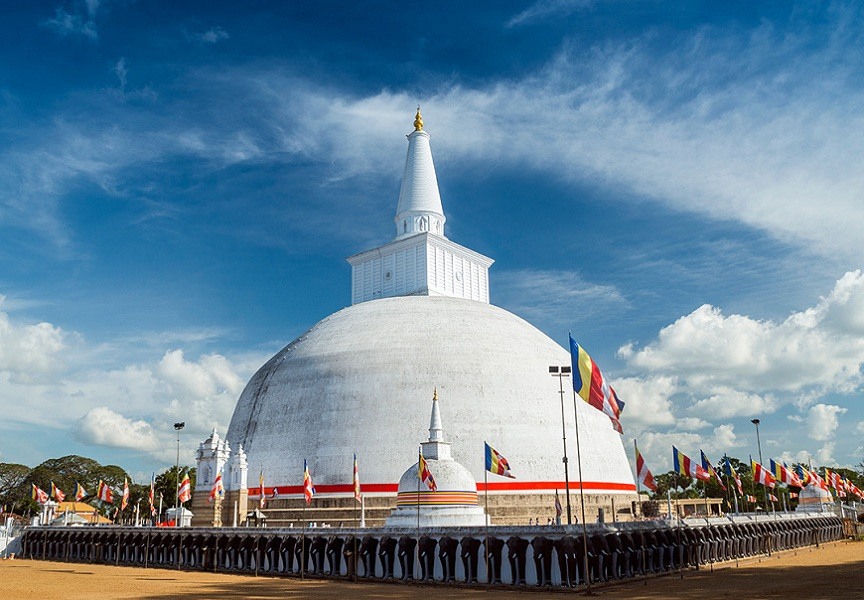
Anuradhapura served as Sri Lanka’s first great capital from the 4th century BCE. Kings built massive stupas, monasteries, irrigation systems, and palaces here.
Key highlights include:Ruwanwelisaya Stupa
Jetavanaramaya (one of the tallest ancient brick structures in the world)Sri Maha Bodhi,
Anuradhapura demonstrates advanced urban planning and deep Buddhist devotion.
🦁 2. Sigiriya

King Kashyapa built Sigiriya in the 5th century as a royal palace and fortress. The site features water gardens, mirror walls, and famous frescoes of celestial maidens.
Sigiriya reveals military strategy, artistic excellence, and hydraulic engineering brilliance.
🏯 3. Polonnaruwa
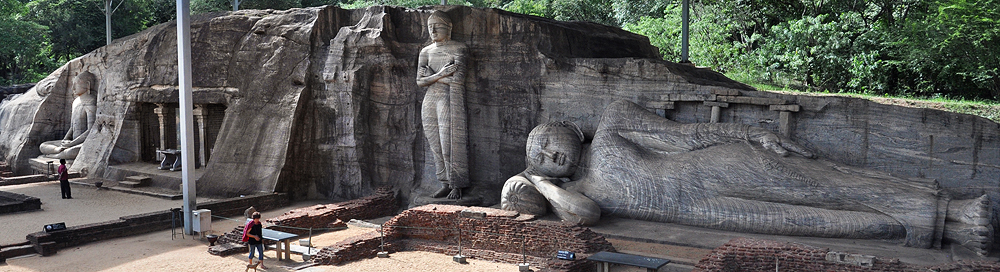


Polonnaruwa became the capital after Anuradhapura. King Parakramabahu I transformed the city into a cultural and agricultural powerhouse.
The Gal Vihara rock statues reflect remarkable stone craftsmanship.
🏔 4. Kandy


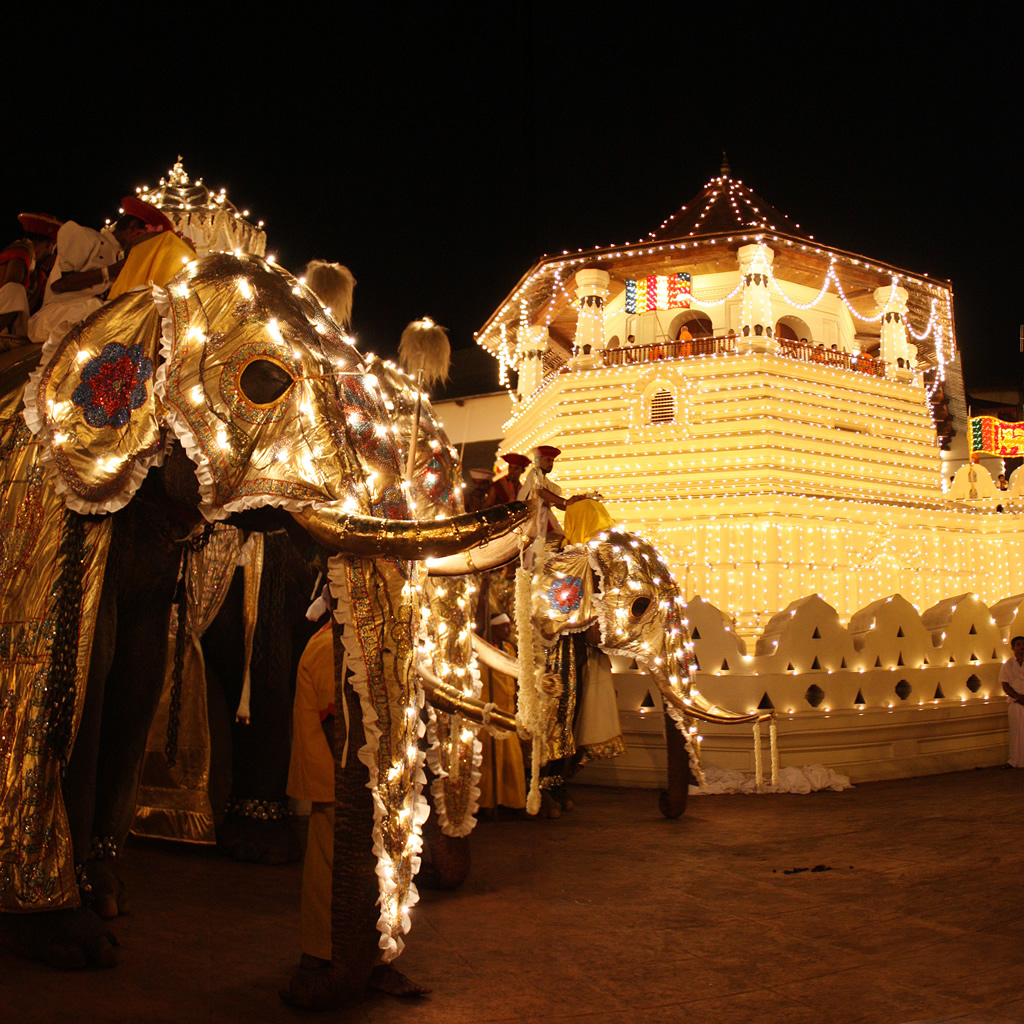

Kandy preserved Sri Lanka’s independence until 1815. The Temple of the Sacred Tooth Relic remains the spiritual center of the nation.
The annual Esala Perahera procession celebrates centuries-old traditions.
🏰 5. Galle


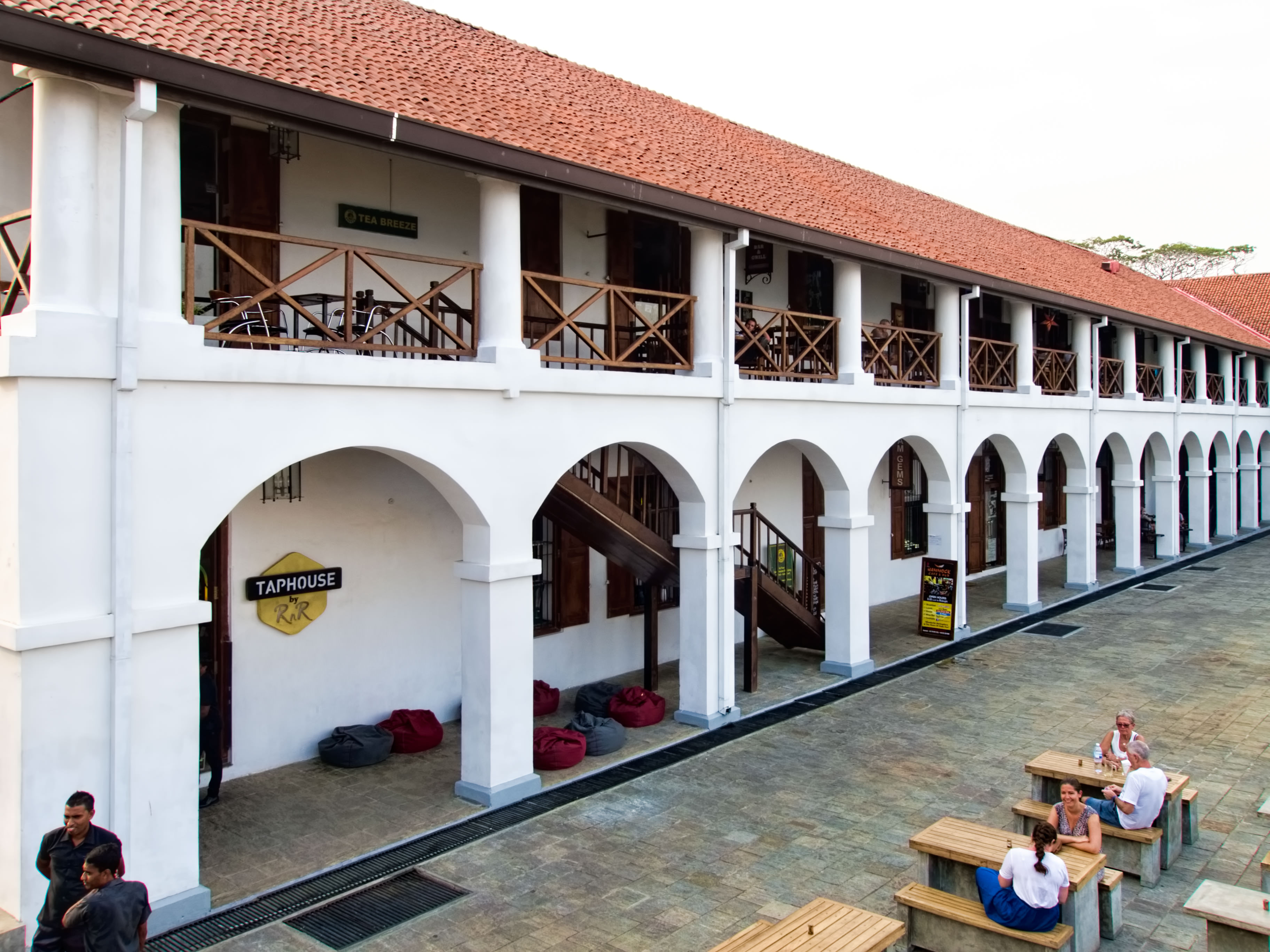

Portuguese, Dutch, and British colonizers shaped Galle Fort. The Dutch fortified it in the 17th century. Today, it stands as a UNESCO World Heritage Site blending European and South Asian architecture.
🏞 6. Dambulla
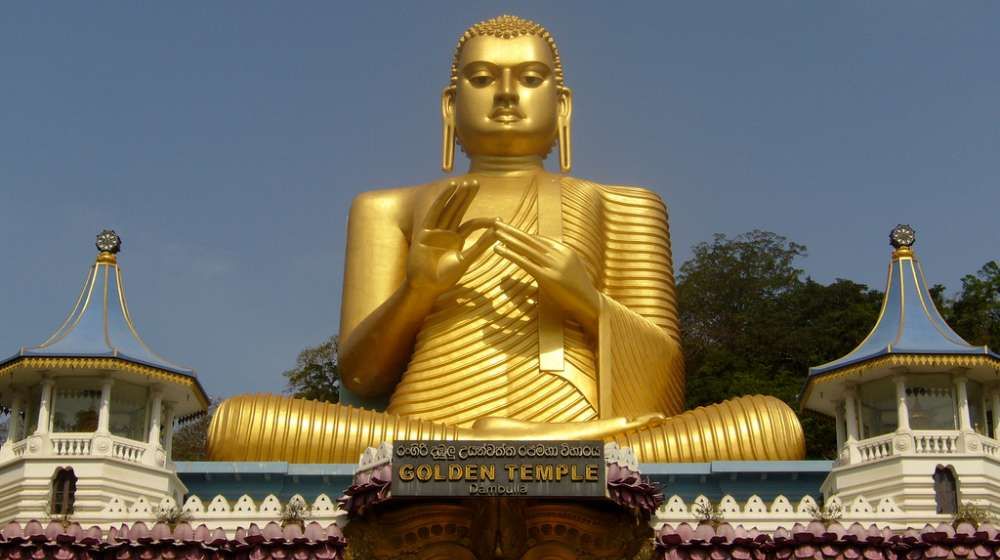

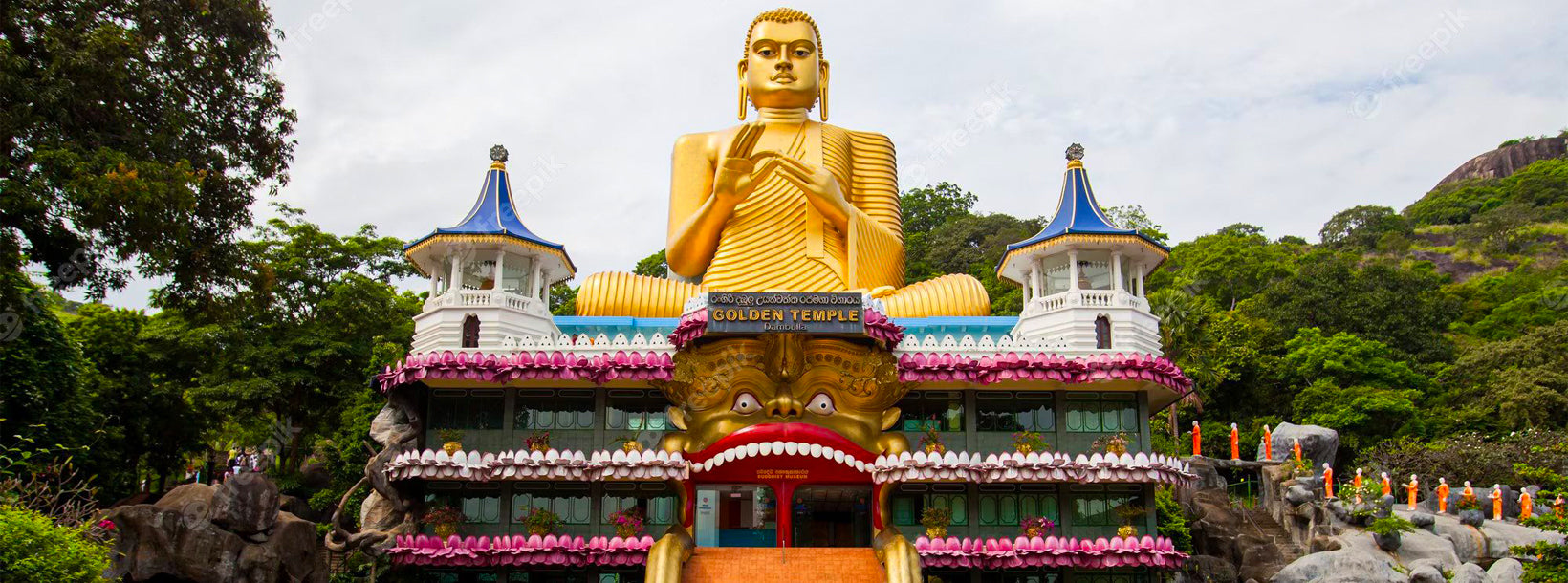

The Dambulla Cave Temple houses hundreds of Buddha statues and vibrant murals dating back over 2,000 years. Kings used the caves as a refuge and later transformed them into sacred temples.
🌊 7. Trincomalee


Trincomalee served as a key maritime port for centuries. The Koneswaram Temple reflects ancient Hindu heritage, while Fort Frederick shows colonial military influence.
🏛 8. Yapahuwa


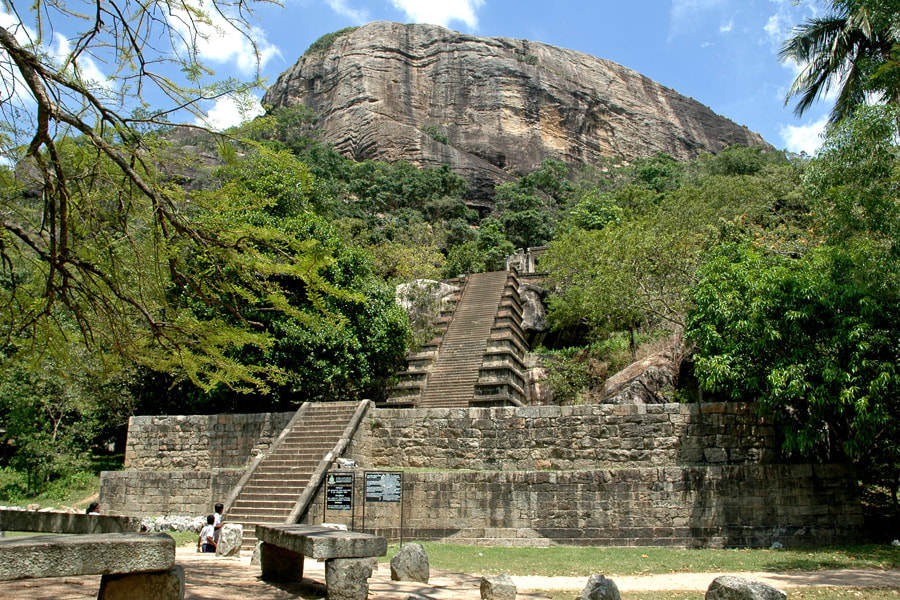
Yapahuwa briefly served as a capital in the 13th century. The monumental stone staircase remains its most iconic feature.
🏞 9. Mihintale
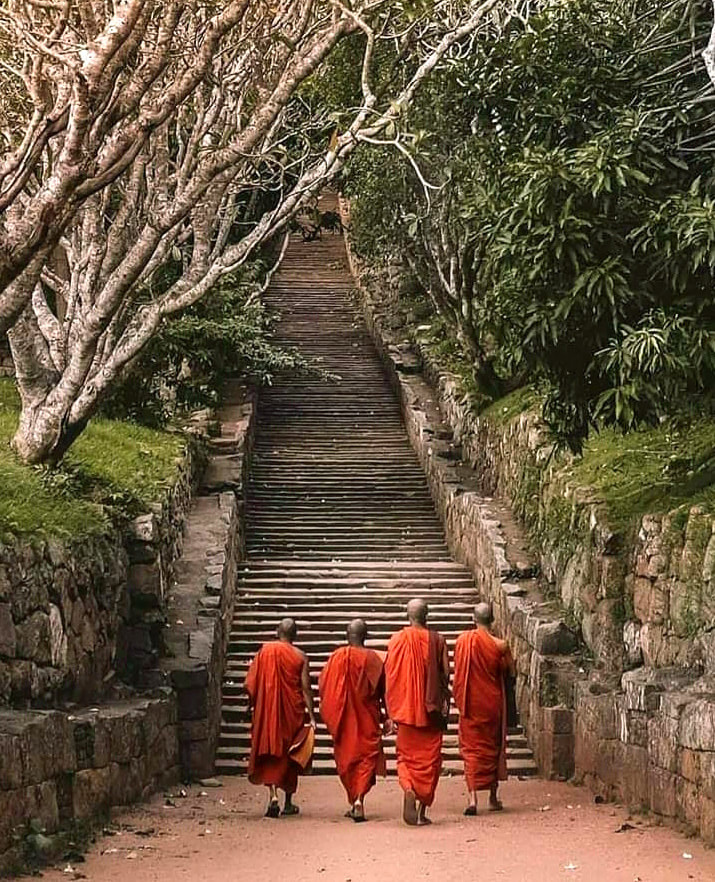

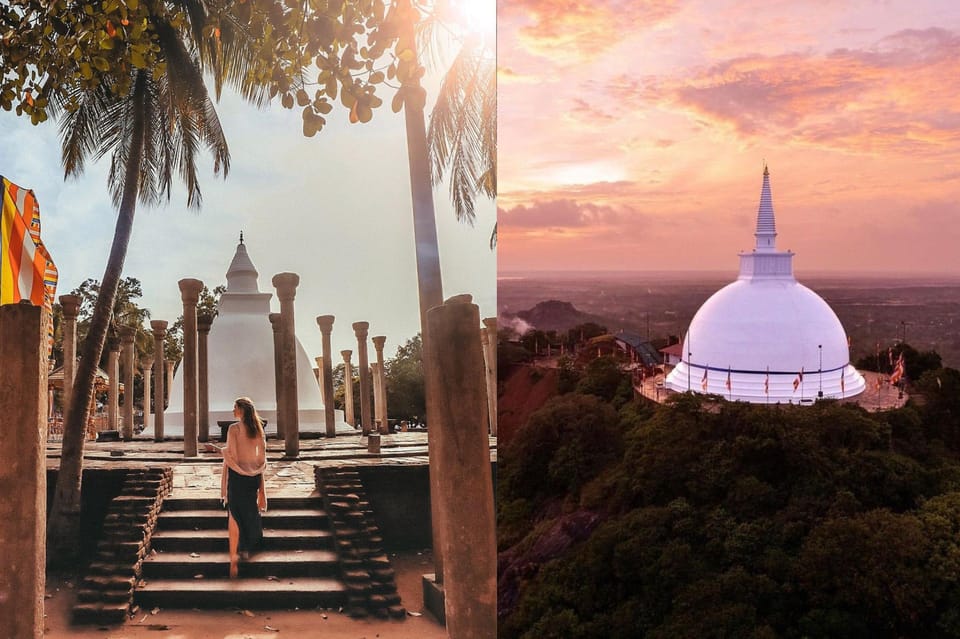
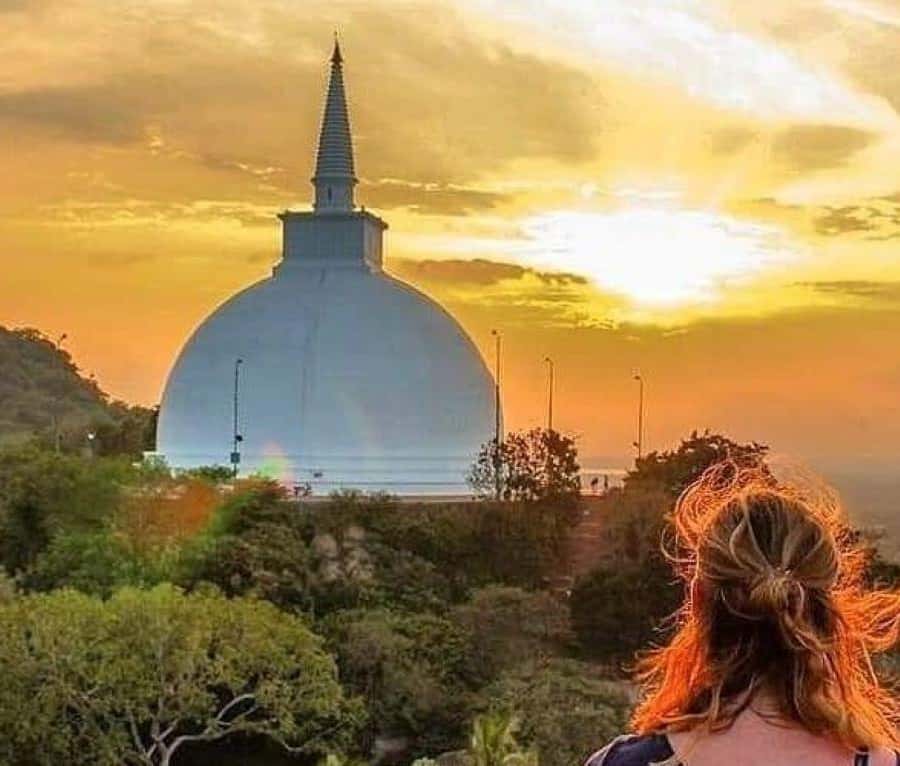
Mihintale marks the introduction of Buddhism to Sri Lanka in the 3rd century BCE. It holds immense religious significance.
🏯 10. Ratnapura


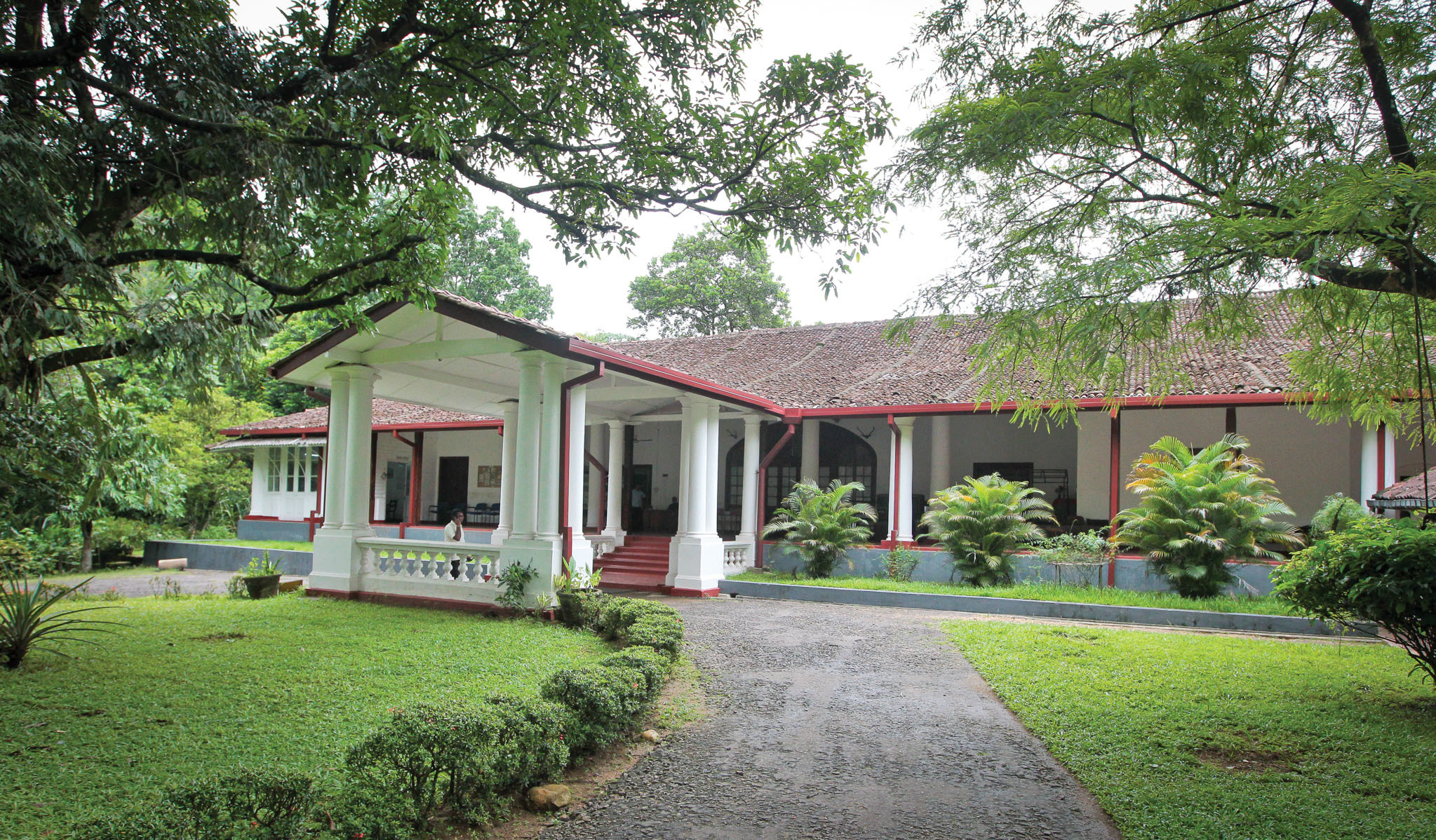

Ratnapura, known as the “City of Gems,” connects trade history with religious heritage near Adam’s Peak.
🏰 11. Jaffna


Jaffna reflects Tamil heritage and colonial fortifications. Jaffna Fort stands as a reminder of Portuguese and Dutch influence.
🏞 12. Kurunegala


Kurunegala served as a royal capital surrounded by distinctive rock outcrops resembling animals.
🏯 13. Matale
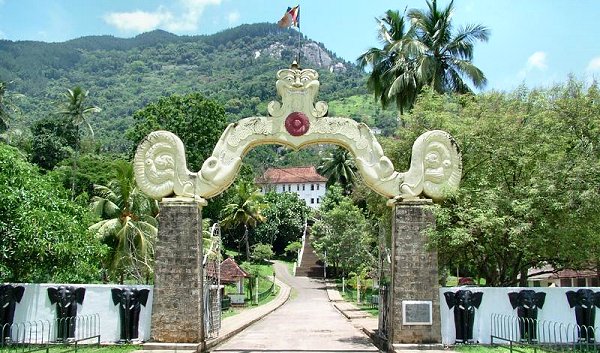

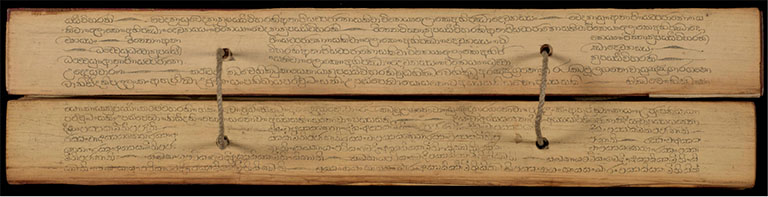
Matale houses Aluvihare Temple, where Buddhist scriptures were first written down in Sri Lanka.
🏛 14. Colombo


Colombo blends colonial history with modern development. The Fort area reveals British-era architecture.
🏞 15. Batticaloa


Batticaloa Fort represents Portuguese and Dutch colonial engineering along the eastern coast.
